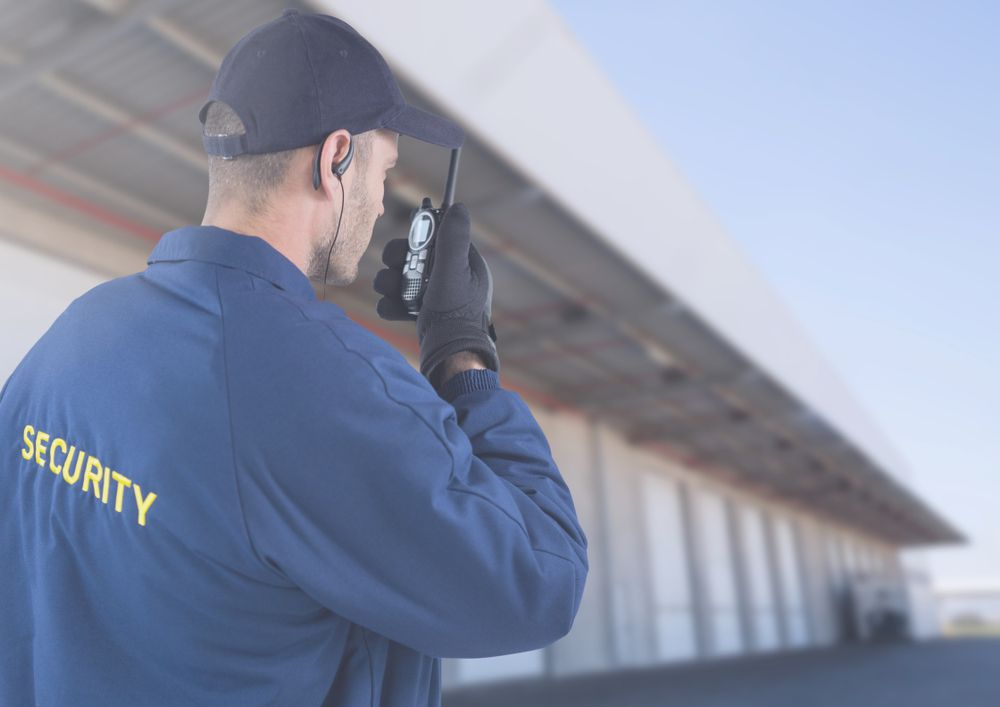
Choosing the right commercial Security Systems for your company is one of the most important decisions you can make as a business owner. Security is no longer just about locking doors at night. Today, companies face many risks, including theft, vandalism, cyber threats, and unauthorized access. A strong security system protects your property, employees, data, and reputation. It also gives you peace of mind so you can focus on running and growing your business.
With so many options available, selecting the best commercial Security Systems can feel overwhelming. From video surveillance cameras to access control systems and alarm monitoring, each solution offers different features. The key is to understand your company’s needs and match them with the right security technology. In this guide, you will learn how to evaluate your risks, compare systems, and choose a reliable solution that keeps your business safe.
Understanding Your Company’s Security Needs
Before investing in commercial Security Systems, it is important to assess your specific security risks. Every business is different. A retail store may need strong loss prevention tools, while an office building may focus more on access control and employee safety. Warehouses, healthcare facilities, schools, and manufacturing plants all have unique security requirements.
Start by identifying potential vulnerabilities. Look at your building layout, entry and exit points, parking areas, and storage rooms. Are there blind spots where criminal activity could occur? Do you handle sensitive customer information that requires extra protection? Understanding these risks helps you determine which security solutions are essential.
Think about the size of your business as well. A small company may only need basic video surveillance and a monitored alarm system. Larger organizations often require integrated commercial Security Systems that combine security cameras, motion detectors, keycard access, and remote monitoring. Choosing the right level of protection ensures you are not overspending or leaving gaps in coverage.
It is also wise to consider future growth. If your company plans to expand, your security system should be scalable. Modern business security solutions often allow you to add more cameras, upgrade software, or connect multiple locations under one platform. Planning ahead saves time and money in the long run.
Exploring the Core Components of Commercial Security Systems
Commercial Security Systems are made up of several key components that work together to protect your business. Understanding these elements will help you make an informed decision.
Video surveillance systems are one of the most common features. High-definition security cameras monitor activity inside and outside your building. Many modern systems offer remote viewing through mobile apps, allowing business owners to check footage from anywhere. Features such as night vision, motion detection, and cloud storage improve overall protection. Surveillance cameras not only deter criminals but also provide valuable evidence if an incident occurs.
Access control systems are another important part of commercial Security Systems. Instead of traditional keys, businesses use keycards, biometric scanners, or PIN codes to manage entry. This allows you to control who can access certain areas and track employee movement. If a staff member leaves the company, you can quickly revoke their access without changing locks. This improves both security and convenience.
Alarm systems and intrusion detection are essential for preventing break-ins. Door and window sensors, glass break detectors, and motion sensors alert you to suspicious activity. When connected to professional monitoring services, these systems notify authorities immediately. Fast response times reduce potential damage and loss.
Fire alarms and environmental monitoring should not be overlooked. Smoke detectors, carbon monoxide sensors, and temperature monitoring devices protect against hazards that go beyond theft. A comprehensive commercial Security Systems setup often includes these safety features to ensure full protection.
Cybersecurity integration is also becoming more important. Many security systems now connect to networks and cloud platforms. Protecting these digital systems from hacking is critical. Working with experienced security providers ensures your data remains secure.
Comparing Security System Providers and Technology
Once you understand your needs and the main components of commercial Security Systems, the next step is choosing the right provider. Not all security companies offer the same level of service, quality, or expertise.
Look for providers with proven experience in commercial security. Companies that specialize in business security solutions understand the challenges companies face. They can recommend the right equipment and design a system that fits your building layout and industry regulations.
Check reviews and testimonials from other business owners. Reliable security companies should have positive feedback and strong reputations. Ask about certifications, licenses, and insurance. Professional installation is important to ensure your commercial Security Systems function correctly.
Technology is another major factor. Modern systems use smart technology, cloud-based storage, and mobile access. These features provide flexibility and real-time control. However, technology should be user-friendly. A system that is too complex may create confusion and reduce effectiveness.
Ask potential providers about system integration. Can surveillance cameras connect with access control? Can alarms trigger camera recordings automatically? Integrated commercial Security Systems offer better performance because all components work together.
Customer support and maintenance services are also critical. Security systems require regular updates and occasional repairs. Choose a provider that offers ongoing technical support and monitoring. A strong partnership ensures your system remains reliable for years.
Budgeting and Return on Investment
Cost is always a consideration when choosing commercial Security Systems. However, it is important to view security as an investment rather than an expense. The right system can prevent financial losses, reduce liability, and even lower insurance premiums.
Start by setting a realistic budget. Consider equipment costs, installation fees, monitoring services, and maintenance. Some providers offer flexible payment plans or leasing options, which can make advanced security solutions more affordable.
While comparing prices, avoid choosing the cheapest option without evaluating quality. Low-cost systems may lack essential features or durability. Investing in reliable commercial Security Systems ensures long-term performance and fewer unexpected repairs.
Think about the potential return on investment. Preventing a single theft incident can save thousands of dollars. Surveillance footage can protect your business from false claims or disputes. Access control systems reduce internal theft and improve accountability. Over time, these benefits often outweigh the initial cost.
Energy efficiency and smart automation can also contribute to savings. Some integrated security systems allow you to control lighting and climate settings. This not only enhances safety but also reduces utility bills. When evaluating options, consider both immediate costs and long-term value.
Ensuring Compliance and Building Trust
Businesses must follow certain safety and security regulations depending on their industry. Healthcare facilities, financial institutions, and educational organizations often have strict requirements. Choosing commercial Security Systems that meet local and federal guidelines helps you stay compliant.
Work with a provider who understands relevant regulations and standards. They can design a system that aligns with legal requirements and industry best practices. This reduces the risk of fines and protects your company’s reputation.
Security also plays a major role in building trust with employees and customers. A safe environment increases employee confidence and productivity. Customers feel more comfortable doing business in secure facilities. Visible security cameras and controlled access points demonstrate your commitment to safety.
Transparency is important as well. Inform employees about surveillance policies and data protection measures. Ethical use of commercial Security Systems strengthens trust and supports a positive workplace culture.
Regular system audits and updates keep your protection strong. Technology evolves quickly, and outdated systems can become vulnerable. Schedule routine inspections and software updates to maintain peak performance. Continuous improvement ensures your business remains protected against new threats.
Conclusion
Choosing the right commercial Security Systems for your company requires careful planning, research, and expert guidance. By understanding your security needs, exploring core components, comparing providers, budgeting wisely, and ensuring compliance, you can build a strong defense against modern threats. Security is not just about preventing crime; it is about protecting your people, assets, and reputation.
When you invest in high-quality commercial Security Systems, you create a safer and more productive environment for everyone involved. With the right approach and trusted partners, your company can operate with confidence, knowing that your security infrastructure is designed to grow and adapt alongside your business.