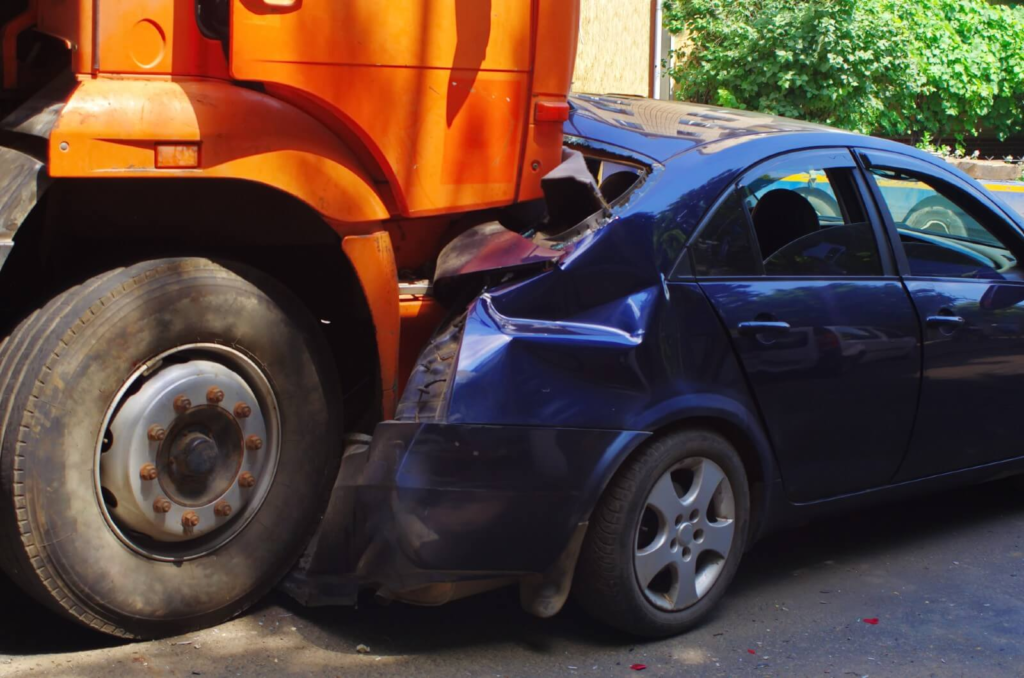
A truck accident can change your life in seconds. Large commercial trucks can cause serious injuries, expensive property damage, and long periods away from work. After a crash, you may feel unsure about what to do next, especially when dealing with insurance companies, medical bills, and trucking companies.
Working with an Ohio Truck Accident Lawyer can help you understand your legal rights and the steps involved in a truck accident claim. An experienced attorney can investigate the collision, identify who may be responsible, gather evidence, communicate with insurance companies, and work toward fair compensation.
Truck accident cases can be more complicated than ordinary car accident claims. Commercial drivers and trucking companies must follow state and federal safety rules. Records such as driver logs, vehicle inspection reports, electronic data, and company policies may become important evidence.
Understanding what to expect can make the process less stressful. This guide explains the typical stages of an Ohio truck accident case, the evidence that may matter, possible sources of liability, and how compensation may be calculated.
How an Ohio Truck Accident Case Usually Begins
The first stage of a truck accident case usually involves understanding exactly what happened. After a collision, seek medical attention as soon as possible, even if your injuries do not seem severe. Some injuries, including certain head, neck, and internal injuries, may not be obvious immediately.
Medical records can also become important evidence in a personal injury claim. They may show the nature of your injuries, the treatment you received, and how the accident affected your daily life. Following your doctor’s instructions and attending recommended appointments can help protect both your health and your legal claim.
Once you speak with an Ohio Truck Accident Lawyer, the attorney will typically ask about the crash, your injuries, medical treatment, employment, property damage, and other losses. You may be asked to provide documents such as medical bills, insurance information, photographs, accident reports, and wage records.
The lawyer will also want to know how the collision occurred. Details such as the location, direction of travel, weather, road conditions, traffic signals, and actions of the truck driver can help shape the investigation.
Truck accident investigations can involve more than the drivers. The trucking company, vehicle owner, cargo company, maintenance provider, or another party could potentially have a role in the crash. Determining responsibility requires a careful review of the available evidence.
Your attorney may also review whether the truck driver was properly licensed and whether the driver or trucking company complied with applicable safety requirements. Depending on the circumstances, issues involving driver fatigue, speeding, distracted driving, impaired driving, improper loading, mechanical problems, or inadequate maintenance may become relevant.
The goal during this early stage is to build a clear picture of the accident. A strong investigation can help prevent important evidence from being overlooked.
How a Truck Accident Lawyer Investigates Your Claim
Truck accident cases often require detailed investigations because commercial vehicles can produce a large amount of evidence. An Ohio Truck Accident Lawyer may begin by reviewing the police accident report and available photographs. However, those records are only part of the investigation.
Evidence from the accident scene can be extremely valuable. Photographs of vehicle damage, skid marks, road conditions, traffic signs, debris, and the surrounding area may help explain how the collision occurred. Witness statements can also provide information that is not included in an official report.
Modern commercial trucks may contain electronic systems that record important information. Depending on the vehicle and circumstances, electronic data may help establish speed, braking, driving activity, or other details connected to the crash.
A lawyer may also seek trucking company records. These can include driver qualification information, training records, inspection documents, maintenance records, cargo information, and other materials. Driver hours-of-service records may be important when fatigue is suspected.
In some cases, the attorney may work with accident reconstruction professionals or other qualified experts. These professionals can examine physical evidence and vehicle information to develop an explanation of how the crash happened.
For example, an accident reconstruction analysis may examine vehicle positions, impact points, road conditions, and available electronic information. This can be particularly useful when the parties disagree about who caused the collision.
Truck maintenance is another important issue. A commercial truck that has not been properly maintained may develop problems involving brakes, tires, steering components, lights, or other equipment. If a mechanical failure contributed to the crash, investigators may need to determine who was responsible for inspecting and maintaining the vehicle.
Cargo loading can also matter. Trucks carrying heavy or improperly secured loads can become difficult to control. Shifting cargo may affect balance and handling and could contribute to a serious collision.
Your attorney may also investigate the driver’s history and the trucking company’s practices. If a company hired or retained a driver who did not meet applicable requirements, that information could become relevant to the claim.
The purpose of the investigation is not simply to prove that a crash happened. The goal is to identify the facts that establish negligence, responsibility, and the losses caused by the accident.
Dealing With Insurance Companies After a Truck Crash
Insurance claims are often one of the most stressful parts of a truck accident case. Commercial trucking insurance policies can involve substantial coverage, but that does not mean an insurer will automatically offer fair compensation.
Insurance companies have teams of professionals who review accident claims. Their job is to evaluate liability and damages while protecting the insurer’s financial interests. After a serious truck accident, you may receive calls or requests for information from insurance representatives.
You should be careful about making statements before understanding your legal rights. Even an innocent comment can sometimes be taken out of context during a claim investigation.
An Ohio Truck Accident Lawyer can communicate with insurance companies on your behalf. This can reduce direct pressure and help ensure that important statements and documents are handled carefully.
The insurer may investigate whether its policyholder was responsible for the crash. It may also examine your medical records, employment information, previous injuries, treatment history, and other details related to your damages.
This does not necessarily mean the insurer believes you are doing something wrong. It is part of the claims process. However, you should understand that the insurance company’s interests may not be the same as yours.
A settlement offer may arrive before you fully understand the long-term effects of your injuries. Accepting a settlement generally means giving up the ability to seek additional compensation for the same claim. That is why it can be important to understand the full value of your losses before agreeing to a settlement.
Damages in a truck accident claim may include medical expenses, future medical care, lost income, reduced earning ability, property damage, and compensation for pain and suffering when supported by the facts and applicable law.
Serious injuries may require months or years of treatment. A person who suffers a traumatic brain injury, spinal cord injury, broken bones, or other major injuries may face significant future expenses. The long-term impact should be considered when evaluating a claim.
Insurance negotiations may involve multiple rounds of offers and counteroffers. Your attorney can review the evidence, explain the strengths and weaknesses of the case, and negotiate for compensation supported by the available facts.
Not every truck accident claim ends in a settlement. If the parties cannot reach a fair agreement, filing a lawsuit may become necessary.
What Happens If Your Truck Accident Case Goes to Court
Many personal injury cases are resolved through settlement negotiations, but some truck accident claims proceed to litigation. If a lawsuit is filed, the process becomes more formal and follows court rules and deadlines.
An Ohio Truck Accident Lawyer can explain what to expect at each stage. The first step is generally filing legal documents that explain the claim and the damages being sought. The trucking company, driver, insurer, or other defendants may respond.
The case may then enter discovery. During discovery, each side can request information and evidence from the other side. This process can involve written questions, document requests, depositions, and other legal procedures.
Depositions allow attorneys to ask witnesses questions under oath. You may be asked about the accident, your injuries, your medical treatment, your work, and how the crash has affected your life. The truck driver and other people involved may also be questioned.
Your lawyer will help you prepare for a deposition and explain what to expect. The goal is to answer honestly and clearly. You should not guess when you do not know an answer.
Expert witnesses may also become involved. Depending on the case, experts could provide opinions about accident reconstruction, medical treatment, future care, vocational limitations, or financial losses.
During litigation, both sides continue evaluating the case. Settlement discussions may happen at different points, including before trial or after significant evidence has been exchanged.
If the case goes to trial, each side presents evidence and arguments. Witnesses may testify, documents may be introduced, and experts may explain technical issues. The court ultimately determines the outcome under the applicable legal standards.
A lawsuit can take time. The length of a truck accident case depends on factors such as the severity of the injuries, number of parties involved, amount of evidence, insurance issues, and whether the case settles or proceeds to trial.
It is also important to understand that Ohio has deadlines for bringing personal injury claims. Missing a legal deadline can seriously affect your ability to recover compensation. Because deadlines can depend on the specific facts and parties involved, speaking with a qualified attorney as soon as reasonably possible is important.
Throughout the process, your role is usually to focus on your health, follow medical advice, preserve relevant documents, and communicate honestly with your attorney. Your lawyer handles many of the legal tasks while keeping you informed about major decisions.
How Compensation Is Determined in an Ohio Truck Accident Case
One of the most important questions after a truck crash is how much the claim may be worth. There is no universal amount because every accident and injury is different.
An Ohio Truck Accident Lawyer will generally look at both current and future losses when evaluating a case. Medical expenses are often one of the clearest categories of damages. These may include emergency treatment, hospital stays, surgery, medication, physical therapy, rehabilitation, diagnostic testing, and other necessary care.
Future medical needs can be just as important. A serious injury may require continued treatment long after the initial claim begins. If doctors expect ongoing care, those potential costs may need to be considered when calculating damages.
Lost wages can also be significant. If your injuries prevent you from working, you may lose income during recovery. In more serious cases, an injury may affect your ability to perform the same job or earn the same income in the future.
Property damage is another potential part of a truck accident claim. Commercial trucks are much larger than passenger vehicles, so collisions can cause severe damage to cars and personal property.
Non-economic damages may also be available when supported by the circumstances and applicable law. These can relate to pain, emotional distress, loss of enjoyment of life, and other effects of a serious injury.
Ohio’s comparative fault rules can also matter. If more than one person contributed to an accident, the amount of compensation may be affected by the injured person’s share of fault. The specific effect depends on the facts and applicable Ohio law.
This is one reason accident evidence matters so much. A detailed investigation can help establish what each party did, whether another person or company contributed to the collision, and how the accident caused your injuries.
The value of a claim should not be based only on an initial insurance offer. It should be considered in light of medical evidence, lost income, future needs, liability evidence, and the overall effect of the accident.
Choosing an attorney is therefore an important decision. Look for a lawyer who understands Ohio personal injury law and has experience handling commercial truck accident claims. Ask questions about how the attorney investigates cases, communicates with clients, handles insurance negotiations, and prepares cases for litigation when necessary.
A trustworthy attorney should also explain the process in language you can understand. You should know what is happening with your case, what decisions require your approval, and what risks may exist.
A truck accident can create physical, financial, and emotional challenges. You do not have to understand every legal issue immediately. The most important first steps are getting appropriate medical care, preserving evidence, being careful with insurance communications, and learning about your legal options.
With the right information and professional guidance, you can approach the claim with a clearer understanding of what lies ahead.
Conclusion
A truck accident case in Ohio can involve much more than filing an insurance claim. Commercial vehicles, multiple potentially responsible parties, federal and state safety requirements, electronic records, medical evidence, and insurance disputes can make these cases complicated.
An experienced Ohio Truck Accident Lawyer can investigate the collision, protect important evidence, handle communications with insurers, calculate your losses, negotiate a potential settlement, and prepare your case for court if necessary.
The outcome of every case depends on its individual facts. Your injuries, evidence, level of responsibility, insurance coverage, and long-term losses can all affect the legal process and potential compensation.
If you have been injured in a truck accident, taking action early can help protect important evidence and your legal rights. Understanding the process is the first step toward making informed decisions about your claim.