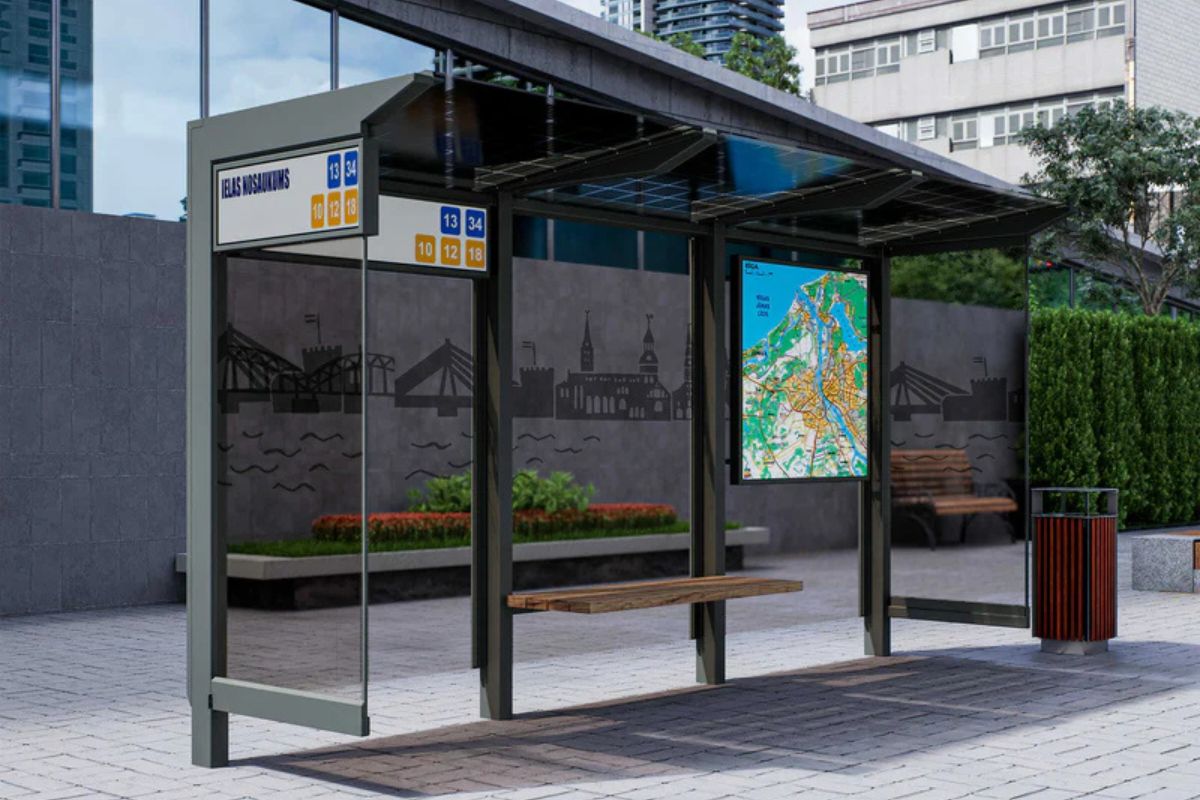
Public transportation does not begin when passengers board a vehicle. Their experience starts at the stop, where comfort, accessibility, visibility, and protection from the weather can shape their perception of the entire journey. A poorly planned waiting area can feel inconvenient, while a thoughtfully designed shelter can make daily travel noticeably easier.
This is one reason custom bus shelters are valuable for modern transportation environments. Rather than treating every stop as identical, a customized approach allows the shelter to respond to available space, passenger activity, climate, surrounding architecture, and local accessibility needs. It creates an opportunity to solve practical challenges before they become long-term problems.
Designing Around Real Site Conditions
Every transit location has its own physical characteristics. Some stops sit along narrow sidewalks, while others occupy spacious transportation hubs. Passenger numbers, nearby buildings, traffic patterns, landscaping, and exposure to the elements can also differ.
Custom bus shelters allow these conditions to guide the design.
Instead of selecting a structure first and trying to make it fit afterward, planners can begin by examining the site. This approach helps determine appropriate dimensions, entrances, panel placement, and roof coverage.
Understand Passenger Traffic
Passenger volume should influence shelter capacity. A busy location may require additional covered space, while a lower-volume stop may benefit from a smaller footprint that preserves pedestrian space.
It is also useful to consider when passengers arrive. Peak periods can produce temporary crowding even when average daily usage appears modest.
By studying these patterns, custom bus shelters can be configured around real behavior rather than assumptions.
Create Meaningful Weather Protection
Passengers naturally expect a shelter to provide relief from rain, wind, sunlight, or other uncomfortable conditions. Effective protection, however, depends on more than simply installing a roof.
The direction of prevailing weather, shelter orientation, roof depth, and side-panel arrangement can influence how protected the waiting area actually feels.
Balance Protection With Openness
Adding more panels may increase weather protection, but excessive enclosure can reduce airflow and visibility. The goal should be balance.
Transparent panels can preserve important sightlines while creating a barrier against wind and rain. Open sections may improve ventilation where climate conditions make airflow particularly important.
Custom bus shelters provide the flexibility to adjust these elements according to the specific environment.
Make Accessibility Part of the Design
Accessibility works best when it influences the original layout rather than being addressed later.
A waiting area should provide adequate room for passengers using wheelchairs, walkers, strollers, or other mobility equipment. Entrances and exits should remain clear, and seating should not unnecessarily restrict circulation.
Custom bus shelters can be planned with appropriate internal space while considering how passengers move between sidewalks, waiting areas, and boarding points.
For planners researching accessible bus stop solutions, reviewing the complete passenger path can be just as important as evaluating the shelter itself.
Consider Seating Carefully
Seating improves comfort for many passengers, particularly older adults and people who have difficulty standing for extended periods.
However, simply adding more seating is not always the answer. Benches should be positioned to preserve usable circulation space and maintain practical access to shelter openings.
A customized layout makes it easier to balance these priorities.
Use Design to Strengthen the Streetscape
Transit shelters are visible pieces of public infrastructure. They contribute to the appearance of streets, neighborhoods, campuses, commercial areas, and transportation corridors.
Custom bus shelters can be designed with proportions and structural details that relate more naturally to their surroundings.
Roof forms, frame profiles, panel configurations, and finishes can all influence visual character. Thoughtful choices can help the structure feel integrated into its environment instead of appearing like an unrelated addition.
Plan Maintenance Before Installation
Long-term maintenance should influence early design decisions. Public shelters require routine cleaning and inspection, and individual components may eventually need repair or replacement.
Make Components Easier to Service
A practical shelter design can provide reasonable access to panels, fasteners, and other components that may require attention.
Modular construction can be particularly useful. When individual sections can be replaced separately, minor damage does not necessarily require extensive work on the entire shelter.
Custom bus shelters can also be configured with durable materials selected for outdoor exposure and frequent public use.
Do Not Overlook Drainage
Water management may seem like a minor design detail until heavy rain arrives.
Roof runoff should be directed away from primary passenger areas wherever possible. Poor drainage can create puddles near entrances, walking routes, or boarding areas, reducing comfort and potentially creating unnecessary hazards.
Considering drainage during the design phase allows it to become part of the shelter rather than an issue addressed after installation.
Think Beyond Today’s Requirements
Transit environments can change. Passenger volumes may increase, surrounding development may evolve, and maintenance needs can shift over time.
A flexible shelter design can help infrastructure remain useful as conditions develop.
Custom bus shelters offer an opportunity to think about long-term performance from the beginning. Durable materials, replaceable components, practical layouts, and adaptable configurations can all contribute to a longer and more useful service life.
Building Better Stops Through Customization
An effective bus shelter should feel like it belongs exactly where it has been installed. Its size should match passenger demand, its layout should support accessibility, and its configuration should respond intelligently to local weather and physical constraints.
Custom bus shelters make this site-specific approach possible. They allow planners to balance passenger comfort, durability, maintenance, appearance, circulation, and weather protection rather than compromising around a one-size-fits-all structure.
Ultimately, customization is not simply about making a shelter look different. It is about creating a waiting environment that works better for the people who use it. With thoughtful planning, custom bus shelters can become dependable, comfortable, and visually appropriate parts of a transportation network for years to come.