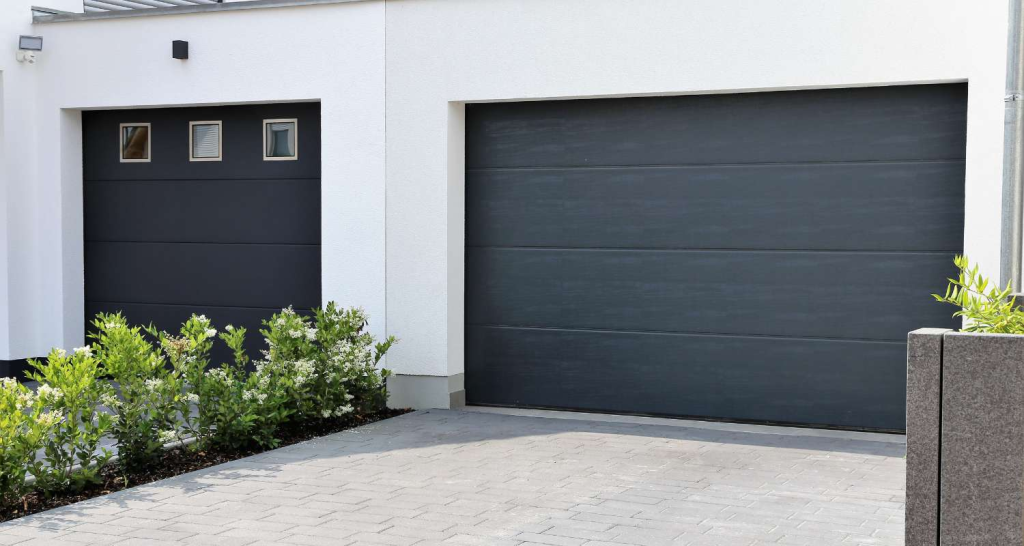
A residential garage door is more than just a functional element of your home. It sets the tone for your house’s exterior, provides security, and even affects energy efficiency. Choosing the perfect residential garage door requires understanding your needs, exploring design options, and considering long-term durability. In this guide, we will walk you through the key factors to consider so that your garage door not only enhances your home’s curb appeal but also serves its purpose efficiently for years to come.
Understanding the Importance of a Residential Garage Door
Your residential garage door is often the largest moving part of your home, and it plays a crucial role in both aesthetics and functionality. Beyond the visual impact, a garage door contributes to the security of your home, protecting vehicles, tools, and other valuable items stored inside. Moreover, an insulated garage door can improve energy efficiency, keeping your garage warmer in winter and cooler in summer, which indirectly affects your home’s overall energy consumption. Therefore, investing in a high-quality residential garage door is not just about appearance—it’s about safety, comfort, and long-term value.
Types of Residential Garage Doors
When it comes to residential garage doors, there are several types to choose from, each offering unique advantages. The most common styles include sectional, roller, swing-out, and tilt-up doors. Sectional doors, made of panels that roll up along tracks, are highly popular due to their durability and smooth operation. Roller doors are space-saving and ideal for smaller garages, as they coil into a compact cylinder above the doorway. Swing-out doors, which open outward like traditional barn doors, provide a classic look but require clear space in front of the garage. Tilt-up doors are a simpler option, often single-piece panels that tilt up and over. Understanding the differences between these types will help you select a door that suits both your functional needs and style preferences.
Materials and Durability Considerations
The material of your residential garage door significantly impacts its appearance, longevity, and maintenance requirements. Common materials include steel, wood, aluminum, and composite options. Steel doors are highly durable, low-maintenance, and often come with insulation for energy efficiency. Wood doors provide a natural, elegant look but require regular maintenance to prevent warping and weather damage. Aluminum doors are lightweight and resist rust, making them suitable for humid or coastal climates. Composite doors combine the aesthetic appeal of wood with the durability of synthetic materials. When choosing a material, consider your local climate, maintenance willingness, and the overall style of your home. A well-chosen material ensures that your residential garage door will remain functional and attractive for many years.
Style and Curb Appeal
A residential garage door can make a significant difference in your home’s exterior appearance. It’s important to choose a style that complements your house’s architecture while reflecting your personal taste. Modern homes often pair well with sleek, minimalistic doors featuring clean lines and contemporary finishes. Traditional homes may benefit from classic paneled doors, carriage-style designs, or doors with decorative windows. Color choice also plays a role in curb appeal; neutral tones are versatile, while bold colors can create a striking focal point. Additionally, adding design elements like glass inserts, decorative hardware, or textured finishes can elevate the overall aesthetic. Investing time in selecting a style that harmonizes with your home will increase curb appeal and potentially boost property value.
Maintenance and Safety Features
Maintaining your residential garage door is essential to ensure longevity and safe operation. Regular inspection of springs, rollers, cables, and tracks helps prevent unexpected breakdowns. Lubricating moving parts and checking alignment can extend the life of your door and prevent costly repairs. Modern residential garage doors also come with advanced safety features, such as automatic reversal systems, motion sensors, and reinforced panels. These innovations not only protect users but also provide peace of mind for homeowners with children or pets. Choosing a door with reliable safety mechanisms and committing to routine maintenance guarantees that your investment remains secure and functional for years to come.
Conclusion
Choosing the perfect residential garage door requires careful consideration of style, material, function, and safety. By understanding the different types of doors, evaluating materials for durability, focusing on curb appeal, and maintaining proper care, you can select a garage door that enhances both the beauty and functionality of your home. A well-chosen residential garage door is more than just an entryway—it’s an investment in your home’s security, efficiency, and long-term value.