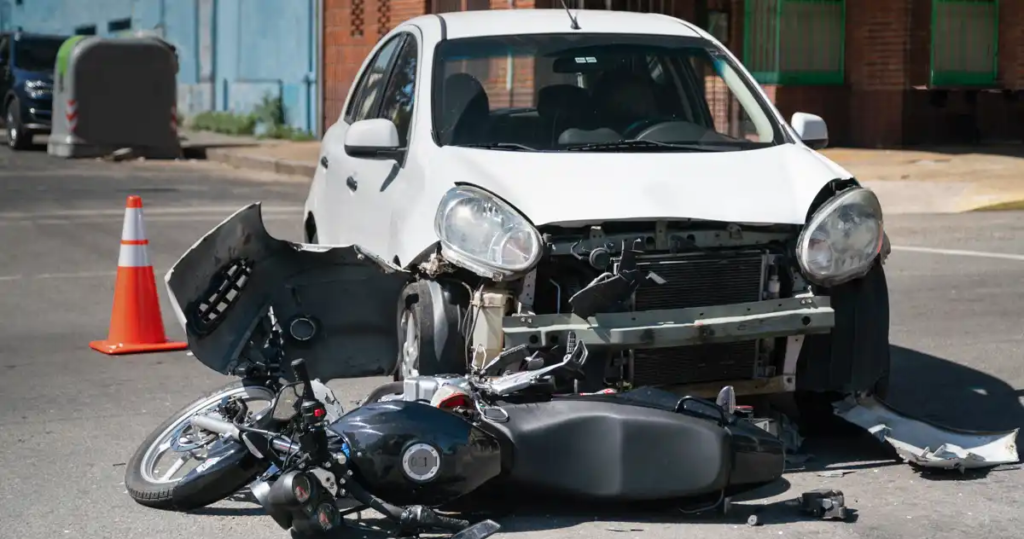
Motorcycles offer freedom, speed, and an exciting way to travel, but riders face greater risks than people inside passenger vehicles. Unlike cars and trucks, motorcycles provide little physical protection during a collision. Even a crash that happens at a moderate speed can lead to broken bones, head injuries, road rash, spinal damage, or other serious harm. Understanding why motorcycle crashes happen can help riders make safer choices and can also help injured people understand what may have caused their accident.
When a crash occurs, determining the cause is often an important part of an injury claim. Motorcycle accident attorneys examine the events leading up to a collision, review available evidence, and work to determine whether another driver, a road condition, a defective motorcycle part, or another factor contributed to the accident. Their work can be especially valuable when an injured rider is dealing with medical expenses, lost income, insurance companies, and a long recovery.
This article explores the most common causes of motorcycle crashes, the factors that can make collisions more serious, and why understanding liability can matter after an accident. It also explains how motorcycle accident attorneys may help injured riders protect their legal rights.
Why Motorcycle Crashes Happen So Often
Motorcycle crashes can happen for many different reasons, and more than one factor may contribute to the same collision. Rider behavior, driver mistakes, road conditions, weather, mechanical problems, and traffic patterns can all affect motorcycle safety. Because motorcycles are smaller than cars and trucks, they can also be harder for other motorists to notice.
Driver inattention is one of the most common concerns. A motorist may look directly toward a motorcycle but fail to recognize that it is there. This is sometimes called inattentional blindness. A motorcycle’s smaller size can make it blend into traffic, especially when vehicles are moving through busy intersections. A driver who is texting, adjusting a radio, eating, talking to passengers, or simply failing to watch the road may not react quickly enough when a motorcycle approaches.
Left-turn collisions are another frequent problem. These crashes can happen when a vehicle turns left across the path of a motorcycle traveling straight through an intersection. The motorist may misjudge the motorcycle’s speed or distance or may simply fail to see the rider. Because motorcycles offer less protection than enclosed vehicles, the resulting impact can be severe.
Unsafe lane changes can also cause motorcycle accidents. A driver may move into a motorcycle’s lane without checking the blind spot. Motorcycles can remain hidden in a vehicle’s mirrors for several seconds, giving the driver a false sense that the lane is clear. When a vehicle suddenly moves over, the rider may have little room to avoid a collision.
Speeding is another major factor. Excessive speed reduces the amount of time a rider has to respond to a sudden hazard. It also increases the force involved in a collision. Even when a motorcycle rider is traveling within the speed limit, a speeding or aggressive driver can create dangerous conditions.
Following too closely can be especially dangerous for motorcycle riders. A vehicle that is traveling too close behind a motorcycle may not have enough time to stop when the rider slows down. Rear-end collisions can throw a rider from the motorcycle and may cause serious injuries even when the vehicle behind the motorcycle was not traveling at a very high speed.
Motorcycle accident attorneys often look at the complete sequence of events rather than focusing on the collision alone. A careful review can help identify whether distraction, unsafe driving, speeding, poor visibility, or another form of negligence played a role in the crash.
Common Driver Behaviors That Put Motorcyclists at Risk
Motorcycle safety depends not only on the rider but also on the behavior of everyone sharing the road. A driver who fails to respect motorcycles can create a dangerous situation in only a few seconds. Many motorcycle collisions occur because another road user does something unexpected or fails to notice the rider.
Distracted driving is a serious example. Looking down at a phone for only a few seconds can prevent a driver from seeing a motorcycle approaching an intersection or changing lanes. Distraction can involve visual, manual, or mental attention. A driver does not need to be holding a phone for distracted driving to become dangerous.
Driving under the influence of alcohol or drugs can make these problems worse. Impaired drivers may have slower reaction times, poor judgment, reduced coordination, and difficulty maintaining their lane. For a motorcyclist, encountering an impaired driver can be particularly dangerous because there is often less physical protection in a motorcycle.
Aggressive driving can also increase crash risks. Tailgating, sudden lane changes, speeding, racing, and ignoring traffic signals can create unpredictable traffic conditions. A motorcyclist may be forced to make a sudden maneuver simply to avoid another driver’s unsafe action.
Failure to yield is another common cause of motorcycle accidents. A driver may enter an intersection without giving a motorcycle the right of way or may turn in front of a rider. These situations can become serious because motorcycles have limited protection against the force of a direct impact.
Opening a vehicle door into the path of a motorcycle can also cause a crash. This is sometimes called dooring. It is more likely to occur on streets where motorcycles travel close to parked vehicles. A rider may have very little time to react if a parked driver suddenly opens a door.
Large commercial vehicles create additional risks. Trucks and buses have large blind spots, require more distance to stop, and may make wide turns. A motorcycle that stays too close to a commercial vehicle may become difficult for the truck driver to see. If a collision happens, the difference in vehicle size can make the consequences especially serious.
After an accident, motorcycle accident attorneys may investigate whether a driver’s conduct violated traffic laws or amounted to negligence. Police reports, witness statements, photographs, traffic camera footage, vehicle damage, and other records may help establish what happened.
Road Conditions, Weather, and Motorcycle Defects
Not every motorcycle crash is caused by another driver. Road and environmental conditions can also make riding dangerous. Potholes, uneven pavement, loose gravel, standing water, damaged road surfaces, poor drainage, and construction areas may create hazards for motorcycles that might be less significant for larger vehicles.
Motorcycles have only two wheels, so riders generally have less stability when traveling over unexpected road hazards. A pothole can cause a rider to lose control, while gravel or sand can reduce traction. Wet pavement can also make braking and turning more difficult.
Poorly maintained roads may become particularly dangerous when hazards are not clearly marked. Construction zones can create sudden changes in lanes, confusing traffic patterns, uneven surfaces, and debris. If a road authority or another responsible party failed to maintain a reasonably safe roadway or provide appropriate warnings, that may become an important issue in a legal claim, depending on the circumstances and applicable law.
Weather can also contribute to motorcycle crashes. Rain can reduce tire grip and visibility. Strong winds can affect a motorcycle’s stability, especially on open roads or near large vehicles. Fog can make it harder for riders and drivers to see one another. Extremely hot weather can also contribute indirectly if it causes fatigue or reduces concentration.
Mechanical defects are another possible cause. A motorcycle may have defective brakes, tires, steering components, lights, or other safety-related parts. Improper maintenance can create similar dangers. When a mechanical problem contributes to a collision, determining who was responsible may require a detailed investigation.
The rider may also contribute unintentionally through maintenance problems. Worn tires, poorly adjusted brakes, inadequate lighting, or other neglected components can increase the chance of losing control. Regular inspections and proper maintenance are therefore important parts of motorcycle safety.
When a crash involves a suspected vehicle defect or dangerous road condition, motorcycle accident attorneys may investigate evidence beyond the actions of the drivers. Maintenance records, repair histories, product information, photographs, inspection reports, and expert opinions can sometimes help explain how the crash occurred.
Motorcycle Injuries and the Impact of a Serious Crash
Motorcycle accidents can produce severe injuries because riders are exposed to the surrounding environment. A person in a passenger vehicle has the protection of a seat belt, airbags, the vehicle frame, and other safety systems. A motorcyclist may be thrown onto the pavement, struck by another vehicle, or forced into a fixed object.
Head injuries are among the most serious potential consequences. A traumatic brain injury can occur when the head strikes the ground, another vehicle, or another object. Symptoms may include headaches, dizziness, confusion, memory problems, and changes in concentration. Some brain injuries may not be immediately obvious after a crash.
Spinal cord injuries can also have life-changing consequences. Damage to the neck or back may cause pain, weakness, loss of movement, or other long-term limitations. In severe cases, spinal injuries can result in permanent disability.
Broken bones are common in motorcycle collisions. Arms, legs, wrists, shoulders, ribs, and other parts of the body may be injured during an impact or fall. Some fractures require surgery, physical therapy, and months of rehabilitation.
Road rash is another injury associated with motorcycle crashes. When exposed skin slides across pavement, it can suffer severe abrasions. Serious road rash may require medical treatment and can leave permanent scars.
Motorcycle crashes may also cause internal injuries, burns, nerve damage, muscle injuries, and emotional trauma. Some victims experience anxiety, fear of riding, sleep problems, or other emotional effects after a serious collision.
The financial impact can be substantial. Medical bills may include emergency treatment, hospitalization, surgery, medication, rehabilitation, follow-up appointments, and long-term care. An injured rider may also miss work and lose income during recovery.
This is one reason legal representation can become important. Motorcycle accident attorneys can review the circumstances of the collision and help an injured rider understand potential claims for medical expenses, lost wages, property damage, pain and suffering, and other losses that may be available under applicable law.
How Motorcycle Accident Attorneys Can Help After a Crash
After a motorcycle accident, the first priority should always be medical attention and personal safety. Once immediate needs are addressed, preserving information about the collision can become important. Photographs of the scene, motorcycle damage, road conditions, visible injuries, traffic signs, and nearby vehicles may help document what occurred.
Insurance companies may become involved quickly. An insurance adjuster may ask questions about the crash or request a recorded statement. Although insurance coverage can help pay certain losses, the interests of an insurance company may not always match the interests of an injured rider. Understanding what information to provide and what rights may apply can be important.
Motorcycle accident attorneys can investigate the crash and identify potentially responsible parties. Depending on the circumstances, liability may involve another driver, a commercial vehicle operator, a vehicle manufacturer, a repair company, a property owner, or a government entity responsible for roadway conditions.
A legal investigation may include reviewing the police report, collecting witness information, examining photographs and video, inspecting the motorcycle, studying medical records, and analyzing accident evidence. In complicated cases, accident reconstruction professionals or other specialists may help determine how the collision occurred.
Establishing negligence generally requires more than showing that an accident happened. The available legal elements depend on the jurisdiction and the facts of the case, but an attorney may need to establish that another party had a duty of care, failed to act reasonably, and caused injuries or losses as a result.
Documentation of damages can also matter. Medical records can help establish the nature and seriousness of injuries. Employment records may help document lost wages. Repair estimates can support property damage claims. Records concerning future medical care may be relevant when injuries are expected to require continued treatment.
A motorcycle accident claim may involve settlement discussions with an insurance company. Motorcycle accident attorneys can negotiate on behalf of their clients and explain whether a proposed settlement reasonably reflects the documented losses. If a fair resolution cannot be reached, litigation may be an option when appropriate.
Every motorcycle accident is different. The best legal approach depends on the evidence, injuries, insurance coverage, applicable laws, and other facts. Riders should also be aware that legal deadlines, often called statutes of limitations, can restrict how long they have to bring certain claims. Because these deadlines vary by location and case type, speaking with a qualified attorney promptly can help protect important rights.
Most importantly, understanding common motorcycle crash causes can encourage safer behavior for everyone on the road. Riders can improve their safety by remaining alert, wearing appropriate protective gear, maintaining their motorcycles, following traffic laws, and anticipating the mistakes other drivers may make. Drivers can help prevent crashes by checking blind spots, yielding properly, avoiding distractions, and giving motorcycles adequate space.
Conclusion
Motorcycle crashes can happen because of distracted driving, speeding, unsafe lane changes, failure to yield, impaired driving, poor road conditions, bad weather, mechanical defects, and many other factors. Because motorcycles offer limited physical protection, even a seemingly minor collision can result in serious injuries and major financial challenges.
When another person’s negligence contributes to a motorcycle accident, understanding what happened can be essential to protecting an injured rider’s rights. Motorcycle accident attorneys can investigate the collision, evaluate available evidence, communicate with insurance companies, and help pursue compensation when a valid legal claim exists.
For anyone involved in a motorcycle crash, seeking medical care, documenting the accident, preserving evidence, and getting timely legal advice can make the process easier to navigate. A careful investigation can help reveal the true cause of the collision and provide a clearer path toward recovery and accountability.